Source Immune Support Ginseng Root Extract for supplements, beverages, and wellness
Compare 30 verified listings for Immune Support Ginseng Root Extract from suppliers in China. Buyers can review specifications like ginsenoside content, extraction methods, and packaging options to find suitable sources for supplements, beverages, and wellness products; compare the available evidence and request quotations based on your requirements.
Key considerations
Products List


Ginseng Capsule 100% Ginseng Extract Powder Improve The Human Immunecapacity
$2.20 - $3.00
MOQ: 50 Bottle




Comprehensive Sourcing Guide
Immune Support Ginseng Root Extract Sourcing Guide
Procuring high-quality ginseng root extract for immune support requires a nuanced understanding of botanical sourcing, extraction methodologies, and regulatory compliance. Buyers must distinguish between true Panax ginseng and related species, as the active compounds and health claims vary significantly. The market offers various forms, including powders and liquid concentrates, each with distinct solubility profiles and stability characteristics. Understanding these differences is critical for formulating effective dietary supplements or functional food products that meet consumer expectations for potency and purity.
This guide focuses on evidence-based sourcing strategies for ginseng root extracts, emphasizing verification of botanical identity and standardization. It covers technical specifications, compliance documentation, cost drivers, and supplier qualification processes. By adhering to these procurement principles, buyers can mitigate risks associated with adulteration, inconsistent potency, and regulatory non-compliance. The goal is to establish a reliable supply chain that supports product integrity and brand reputation in the competitive health and wellness sector.
Product Scope and Observed Listing Signals
The observed market signals indicate a diverse range of ginseng-derived products, including Red Ginseng Extract and Siberian Ginseng Extract, both available in powder form. Red Ginseng Extract is typically derived from the root and standardized to contain specific percentages of ginsenosides, such as 30%, while Siberian Ginseng, or Acanthopanax Senticosus, is often standardized to eleutheroside content, such as 2%. These distinctions are crucial for buyers, as the active constituents and purported health benefits differ between the two botanicals, impacting formulation choices and marketing claims.
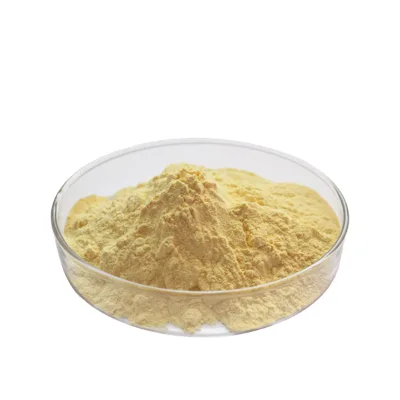
Packaging and physical attributes observed in listings include brown or brown-yellow powders, with packaging options ranging from 1kg aluminum foil bags to 25kg drums. Some suppliers offer customization and sample sizes of 10-20g, facilitating initial quality assessment. The extraction methods noted include solvent extraction, which is common for isolating specific bioactive compounds. Buyers should verify the specific botanical source and standardization markers for each product to ensure alignment with their immune support formulation goals, avoiding confusion between true ginseng and adaptogenic alternatives.
Technical Specifications to Verify
Verification of assay methods is paramount to ensure the potency and consistency of ginseng root extracts. Common analytical techniques include UV spectroscopy and High-Performance Liquid Chromatography (HPLC), which provide precise quantification of active markers like ginsenosides or eleutherosides. Buyers should request detailed Certificates of Analysis (CoA) that specify the assay method used and confirm that the results meet the agreed-upon standardization levels. This step is essential for validating that the extract contains the claimed concentration of bioactive compounds, ensuring efficacy in final products.
Physical and chemical specifications also require careful review, including appearance, color, and moisture content. Observed attributes such as brown powder appearance and specific packaging details like aluminum foil bags or drums indicate attention to preservation and stability. Buyers should verify the shelf life, typically around two years, and storage conditions, such as moisture-proof environments, to maintain product integrity. Additionally, confirming the part used, such as the root, and the cultivation method, whether artificial planting or wild-harvested, helps assess the quality and sustainability of the raw material supply.
Compliance and Safety Documentation
Compliance with international standards is a non-negotiable aspect of sourcing ginseng root extracts. Certifications such as HACCP, FDA registration, ISO 9001, Halal, and Kosher indicate adherence to rigorous quality management and safety protocols. Buyers should verify the validity and scope of these certifications, ensuring they cover the specific manufacturing facilities and product lines being sourced. These credentials provide assurance that the supplier follows good manufacturing practices (GMP) and maintains traceability throughout the production process, reducing the risk of contamination or adulteration.
Regulatory compliance also extends to labeling and marketing claims, particularly regarding immune support assertions. Buyers must ensure that the product documentation supports any health claims made in their final formulations, adhering to local regulations in target markets. This includes verifying that the extract is classified correctly, whether as a dietary supplement ingredient or a food additive, and that it meets all relevant safety thresholds for heavy metals, pesticides, and microbial contaminants. Proper documentation is essential for navigating regulatory audits and maintaining consumer trust.
Cost Drivers and Commercial Terms
Several factors influence the cost of ginseng root extract, including the botanical species, standardization level, extraction method, and packaging format. Higher standardization levels, such as 30% ginsenosides, typically command premium prices due to the increased processing required to achieve such potency. Additionally, the origin of the raw material, such as Shaanxi, China, or Qingdao, China, can impact costs based on local agricultural practices and supply chain efficiencies. Buyers should consider these variables when evaluating quotes and negotiating contracts to ensure cost-effectiveness without compromising quality.
Commercial terms, including minimum order quantities (MOQs) and lead times, also play a significant role in procurement planning. Observed MOQs range from small sample sizes to bulk orders of up to 6000 units, allowing flexibility for different production scales. Buyers should clarify payment terms, shipping responsibilities, and return policies to avoid unexpected costs. Understanding the total landed cost, including freight, insurance, and customs duties, is essential for accurate budgeting and maintaining competitive pricing in the final product market.
Supplier Qualification and Quality Control
Supplier qualification involves a thorough assessment of manufacturing capabilities, quality control systems, and historical performance. Buyers should conduct on-site audits or request third-party audit reports to verify compliance with GMP and other relevant standards. Evaluating the supplier’s ability to provide consistent quality, batch-to-batch, is critical for maintaining product stability. Additionally, assessing their capacity for customization and their responsiveness to technical inquiries can indicate their commitment to partnership and long-term collaboration.
Quality control measures should include rigorous testing protocols for identity, potency, purity, and safety. Buyers should verify that the supplier employs validated methods for detecting contaminants and adulterants, such as TLC or HPLC. Establishing clear acceptance criteria and regular testing schedules helps ensure that incoming materials meet specifications. Collaborating with suppliers on continuous improvement initiatives can further enhance quality and reliability, fostering a robust supply chain that supports the brand’s reputation for excellence.
Long-Term Procurement Checks
Long-term procurement success depends on ongoing monitoring of supplier performance and market trends. Regular reviews of CoAs, audit results, and customer feedback help identify potential issues early, allowing for proactive corrective actions. Buyers should also stay informed about regulatory changes and emerging standards that may impact sourcing requirements. Maintaining open communication with suppliers facilitates timely updates on product availability, pricing fluctuations, and technological advancements in extraction and standardization processes.
Building a diversified supplier base can mitigate risks associated with supply chain disruptions or quality inconsistencies. Engaging with multiple qualified suppliers provides flexibility and bargaining power, ensuring continuity of supply. Additionally, investing in relationship management and collaborative planning with key suppliers can lead to better pricing, priority access to new products, and joint innovation opportunities. These strategies contribute to a resilient and adaptive procurement function, capable of meeting evolving market demands and sustaining competitive advantage in the immune support supplement sector.
FAQs
What certifications are available for ginseng root extract?
Suppliers typically provide HACCP, FDA, and ISO certifications for ginseng root extract products. These credentials ensure compliance with international food safety and quality management standards. Buyers should verify specific certificates like ISO9001 or Halal/Kosher depending on their target market requirements and regulatory needs.
How is the ginseng extract packaged for shipment?
The product is commonly packaged in 5kg aluminum foil bags, 20kg cartons, or 25kg drums. Vacuum packing and aluminum foil bags are standard to maintain freshness. This packaging ensures moisture protection and preserves the brown powder appearance during transit and storage for up to two years.
Can I request custom packaging for my order?
Yes, customization is available for ginseng root extract orders. Buyers can often specify packaging details such as bag size or drum configuration. This flexibility allows companies to meet specific branding or logistical requirements while ensuring the product remains protected in aluminum foil or vacuum-sealed containers.
What is the typical shelf life of the extract?
The standard shelf life for ginseng root extract is two years when stored correctly. It should be kept in a normal, moisture-proof environment to maintain quality. Proper storage in sealed drums or aluminum foil bags helps preserve the active substances and prevents degradation over time.
Where is the ginseng extract sourced from?
The extract is primarily sourced from Shaanxi, China, and Qingdao, China. These regions are known for cultivating artificial planting ginseng roots. Buyers can expect natural resources processed through solvent extraction to produce high-purity brown powder suitable for various health supplement applications and industrial uses.
What is the minimum order quantity for samples?
Samples are typically available in quantities of 10-20 grams for evaluation purposes. This allows buyers to test the brown powder quality before committing to larger orders. The single gross weight is 1.500 kg, and customization options are available for bulk purchases starting from small MOQs.